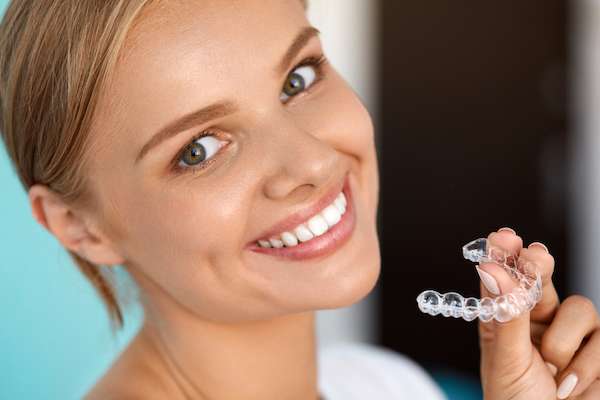
 With more patients seeking alternative methods to traditional braces, aligner systems like ClearCorrect® braces have become popular in recent years. A patient is fitted with custom aligners that are worn for most hours of the day. The trays are usually replaced every two to three weeks. Because the aligners are clear and custom-fitted, patients can still feel confident about smiling during orthodontic treatment.
Factors that determine length of treatment
Every orthodontic case is different, so the length of time ClearCorrect® braces are worn varies greatly. For some patients, the process may only take a few months. For others, the treatment could extend for a year or more. Several factors affect how long treatment takes, so it is important for patients to understand that the timeframe given is only an estimate.
Patient compliance
For clear retainers to be effective, the patient must be willing to follow certain guidelines. The trays should be worn at least 22 hours during the day. Ideally, the patient should only remove the appliances for eating and oral hygiene habits. Most people will not even be able to tell that the patient is wearing aligners because they are so discreet.
It is also essential that a patient maintains impeccable brushing and flossing habits throughout treatment. If the patient is not compliant with hygiene habits, the dentist may have to discontinue orthodontic treatment due to the effects of plaque on the teeth.
Complexity of the case
Clear aligners can be used to treat a wide range of alignment issues, but the more complex cases do take longer to treat. Patients who have issues with the natural bite usually have longer treatment times than those who are simply straightening crooked teeth. It is important that the patient understands what is happening during the orthodontic process and the length of time this process requires.
Desired end result
Some patients may want to straighten only the front teeth while others want full orthodontic treatment that corrects misaligned teeth while improving skeletal issues. The length of treatment changes depending on what the patient wants for the final result. Both dentists and patients should be on the same page with the desired outcome so that the length of treatment is more predictable. Any changes to the treatment plan can greatly affect the number of trays and time needed when using ClearCorrect® braces.
Check out what others are saying about our dental services on Yelp: ClearCorrect Braces in Culver City, CA.
Conclusion
Choosing clear retainers to transform a smile can be rewarding for many patients. This system has become particularly popular with adults who would be hesitant to wear traditional braces; it is also more hygienic than traditional braces for adolescents. For patients interested in this treatment, a consultation with a ClearCorrect® provider is recommended. By discussing the treatment thoroughly, the dentist and patient can both have realistic expectations for the timeline of treatment. While clear trays may not be the right option for every orthodontic patient, they are changing the face of dentistry for many.
Request an appointment or call Culver City Dental at 310-272-5405 for an appointment in our Culver City office.
Recent Posts
Wisdom teeth extraction is a common dental procedure that helps prevent problems with impacted or misaligned third molars. Many people need this procedure to keep their mouths healthy and avoid issues like discomfort, infection, and overcrowding. Knowing what to expect before, during, and after the extraction can make the overall treatment and recovery process easier.Wisdom…
Dental fillings play a crucial role in preserving and restoring your oral health. Dentists use them to repair severe tooth decay and cavities, preventing the damage from worsening. Many people have questions and concerns about this dental procedure. This blog will address the most common questions about dental fillings and provide the information you need…
Dental fillings are tooth-colored restorations that dentists use to repair damage in your teeth. They can fill cracks, holes, and grooves while preventing further decay. However, not all fillings are equal. There are two main types of dental fillings: composite and porcelain. This article will review the pros and cons of each type.No matter the…